What Is Mutual Aid, Really?
“Mutual aid” is one of those advocacy terms that felt so basic, I was surprised it needed to be invented.
In essence, mutual aid means solidarity, support, and caring for your community. It is seeking the good and flourishing of all. Notably, mutual aid happens without the support of charity or governmental structures.
Quite simply, mutual aid is being there for each other.
I remembered that this week during my hysterectomy recovery. I grew up in faith communities that genuinely lived this out. The nature of mutual aid was what I thought it meant to be a believer, and I extended this to basic humankind.
This is just how people are meant to act, right?
In one sense, it felt so obvious that I laughed when I first read the definition of mutual aid.
When Community Care Is Obvious—and When It’s Missing
Yet in another sense—even though experiencing and participating in mutual aid has been an essential to my life—I’ve also seen its lack.
I remember going on a rampage after having my 3rd child, “For the love of lasagna!” I was angered when my family was given two weeks of meals, but a friend of mine in the same church was only given a few days of meals.
I’ve seen people astounded by the simplest of gestures of care. By the providence of sharing things in common. By offers to help. And tears when someone showed up for them.
Why? Because they had never experienced mutual aid before.
Or in layman’s terms: they’d never actually been loved.
Considering, I’m all about “mutual aid,” “community care, or “loving your neighbor.”
I don’t care what it’s called.
Teach it. Live it. And on weeks when you are the recipient—appreciate it.
Mutual Aid During a Hysterectomy: Letting Community Show Up
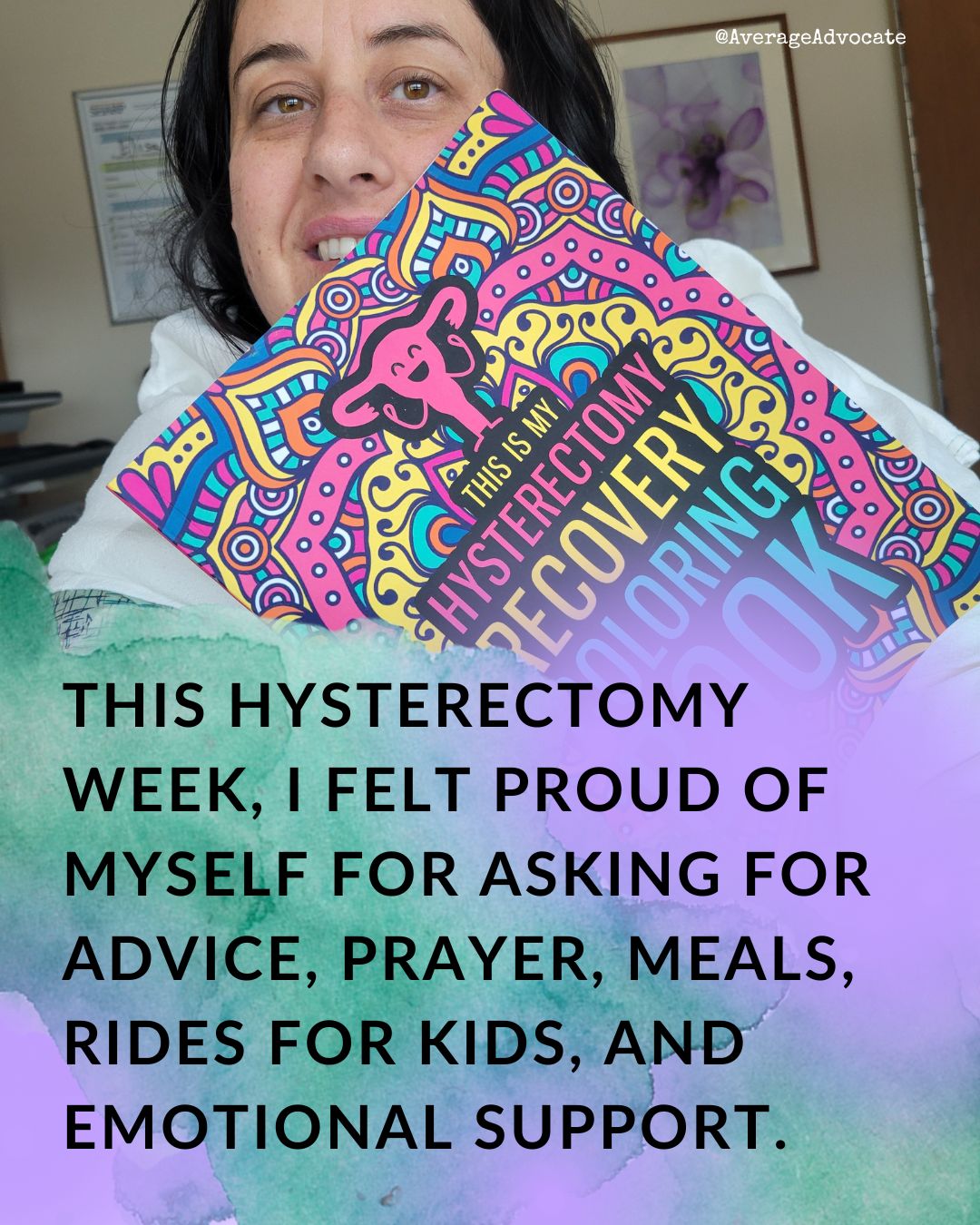
This hysterectomy week, I felt proud of myself for asking for advice, prayer, meals, rides for kids, and emotional support. It took a little effort to begin asking, but I acutely remember the lessons I had to live a few years ago when sick with lupus and with Kai. It’s hard to see myself as not “too needy” and worthy.
Although I’ve come along way in expressing need, it’s still hard for me to be vulnerable and ask for help. (Although you guys make it easier). But a receiver is part of being in relationships.
From Saviorism to Partnership
In fact, it is the better way to make a difference—it is only in this state of “mutuality” that charity can dissolve into partnership. It is where we stop trying to be saviors or come with an agenda. It’s actually how we learn to love.
And oh, does my broken body need love. And so does the rest of me. And my family. And hopefully, I can love back, too.

When Care Ripples: Why Community Makes Us Flourish
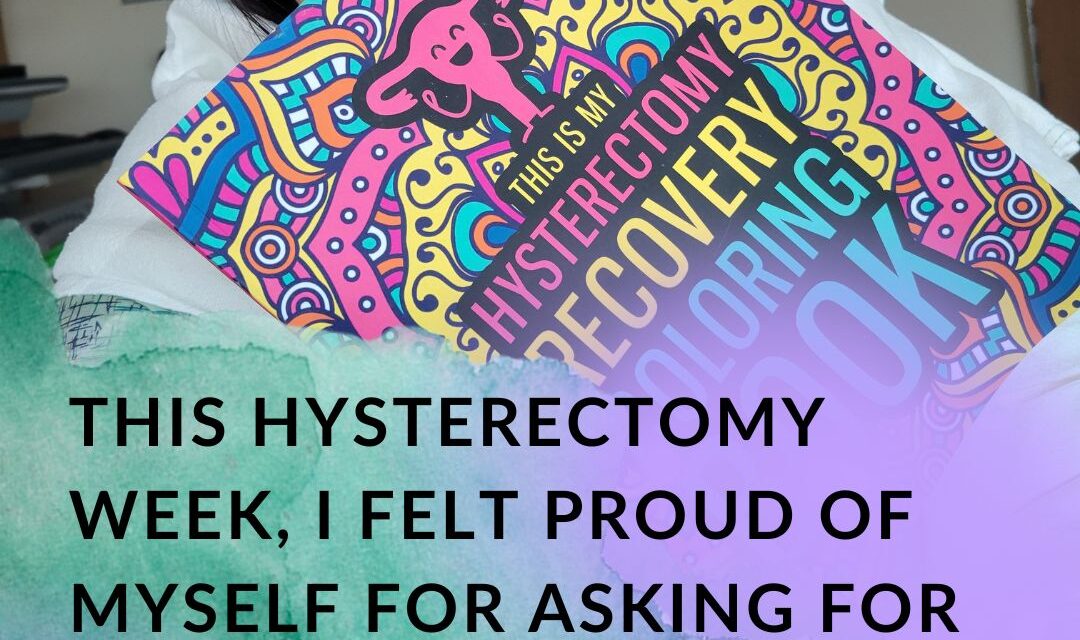
This week I’ve received meals, encouragement, help with rides, and even this silly coloring book from a woman I’ve barely met.
I love it. She told me we are “hyster-sisters,” which was surprisingly more endearing than it was cringe!
Giving back, I was able to pass on boxes of unused period supplies.
I was also able to listen to other women’s stories who’ve suffered under they tyranny of their failing uterus’s (unfortunately, always in the context of a patriarchy that exasperates it). And soon a new lady will inherit my coloring book as it gets bequeathed to encourage another going through a hysterectomy.
The point is, that when people are cared for in community, goodness doesn’t just stop moving—it ripples.
It’s why the prophet Joel envisioned justice like a rolling river.
This is “mutual aid.” And this is how we flourish.
This being said, thank you for caring for me.
Reflection Questions on Mutual Aid and Community Care:
1. Where in your life is it easier to give care than to receive it? Why is that?
2. Who do you know who might be longing for mutual aid and what would it look like to show up?